
Four Common Plumbing Problems (With Solutions!)
From pesky leaks to stubborn clogs, uncover the most common plumbing problems and learn practical solutions to keep your system running smoothly.
Another plumbing leak can leave you wondering whether it makes sense to repair the pipe or replace more of the plumbing in your home. One leak may be an isolated problem. When leaks keep appearing in different places, though, it may be time to look at the condition of the entire water supply system.
For homeowners in Orlando and Central Florida, repiping can be a practical way to address aging or deteriorating pipes before the next leak causes damage. The right decision depends on what is happening in your home, not simply how old the house is.
Whole-home repiping is the process of replacing the aging or failing water supply pipes throughout your home. Instead of repairing one leak at a time, repiping addresses the larger problem by replacing the old piping system with new, reliable materials.
This is often recommended when a home has widespread pipe corrosion, recurring leaks, poor water pressure, or outdated plumbing materials. While repiping may sound intimidating, an experienced Orlando plumbing company can evaluate your home, explain your options, and complete the project with as little disruption as possible.
Problems hidden behind walls or beneath floors are not always easy to spot. These warning signs are good reasons to have your plumbing evaluated:
Low water pressure throughout the house. Corrosion or buildup inside supply lines can restrict water flow. Pressure problems can have other causes, so the pipes should be checked before deciding to repipe.
Discolored water from several faucets. Brown, reddish, or yellow water may be related to pipe corrosion, but the water heater or incoming water supply could also be responsible.
Unexplained increases in your water bill. If your water use has not changed, a higher bill may be a sign of a leak, including one you cannot see.
Visible pipe deterioration. Corrosion, staining, or repeated repairs on exposed sections of pipe can raise questions about the condition of pipes elsewhere in the home.
Water temperature changes and unusual plumbing noises also deserve attention, but they do not necessarily mean your home needs repiping. A licensed plumber can help identify the cause before you commit to a larger project.
The main reason to repipe is to address a plumbing problem that keeps coming back. If leaks are appearing in different parts of the house, replacing deteriorating supply lines may make more sense than paying to repair each new failure.
A repipe can also offer other benefits, depending on the condition of your existing plumbing:
More consistent water flow. Replacing pipes narrowed by corrosion or buildup may improve flow to faucets, showers, and appliances.
Fewer worries about the next leak. Removing pipes that have repeatedly failed can reduce the risk of another leak behind a wall or beneath a floor.
A chance to address several problem areas at once. If the home has a mix of aging pipes and past repairs, a repipe can provide a more complete solution than replacing short sections as they fail.
A clearer picture of your plumbing system. During the project, your plumber can identify which supply lines are being replaced and explain how the new lines will serve your fixtures.
These benefits depend on what is causing the problems in your home. For example, replacing pipes will not correct low pressure caused by a faulty pressure regulator or an issue with the incoming water supply. Michael’s Plumbing of Central Florida can evaluate the system first and help you decide whether a repair, partial pipe replacement, or whole-home repipe is the better choice.
There is no single price that fits every Orlando home. The scope and cost depend on the size and layout of the property, the number of fixtures, the type and location of the existing pipes, access to plumbing behind walls, and whether you need a partial or whole-home repipe. The piping material selected also affects the project.
Homeowners insurance coverage varies by policy and circumstances. A policy may treat damage from a leak differently from the cost of replacing the pipes themselves. Review your coverage with your insurer rather than assuming the repipe will be covered.
In many cases, homeowners insurance does not cover whole-home repiping as a preventative upgrade. However, insurance may cover certain types of damage caused by a sudden plumbing failure, depending on the details of your policy.
Because coverage can vary, homeowners should review their policy or contact their insurance provider for specific guidance. Taking action before a major pipe failure occurs can help reduce the risk of costly damage.
If your home has had repeated leaks, widespread pressure problems, or other signs of pipe deterioration, you do not have to decide on a whole-home repipe by yourself. Michael’s Plumbing of Central Florida can inspect the accessible plumbing, discuss your repair history, and help you understand whether a targeted repair, partial pipe replacement, or whole-home repiping makes sense.
Give Michael’s Plumbing a call at 407-219-9772 or contact us online to schedule a plumbing inspection and learn more about repiping your Central Florida home.
Back to Blog
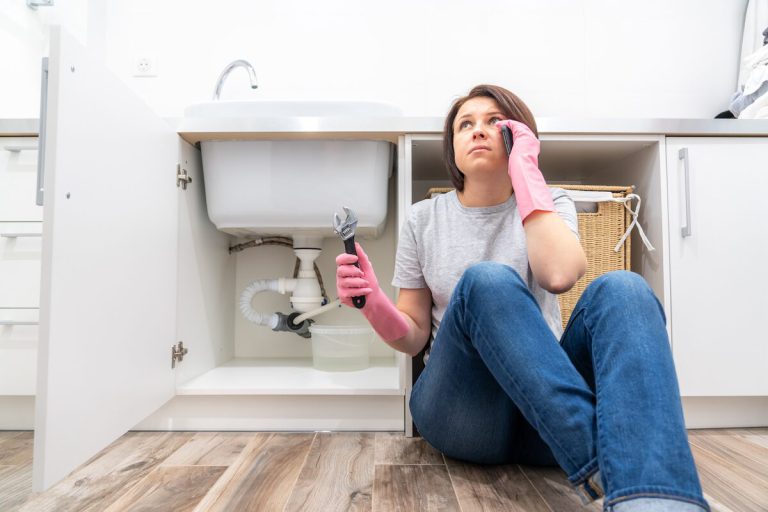
From pesky leaks to stubborn clogs, uncover the most common plumbing problems and learn practical solutions to keep your system running smoothly.
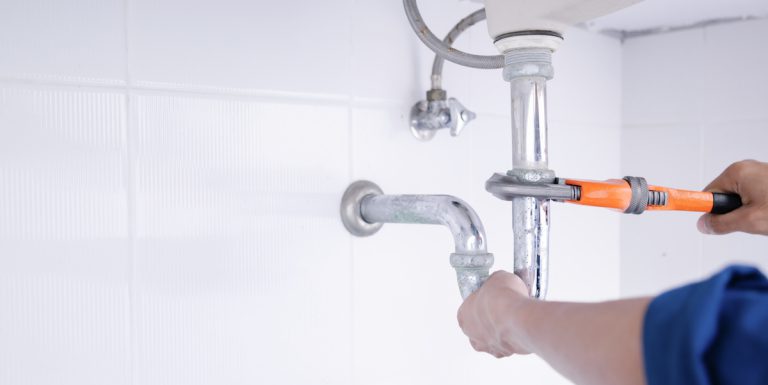
Is your home in need of a fresh start? Discover the signs indicating it’s time for a plumbing overhaul!
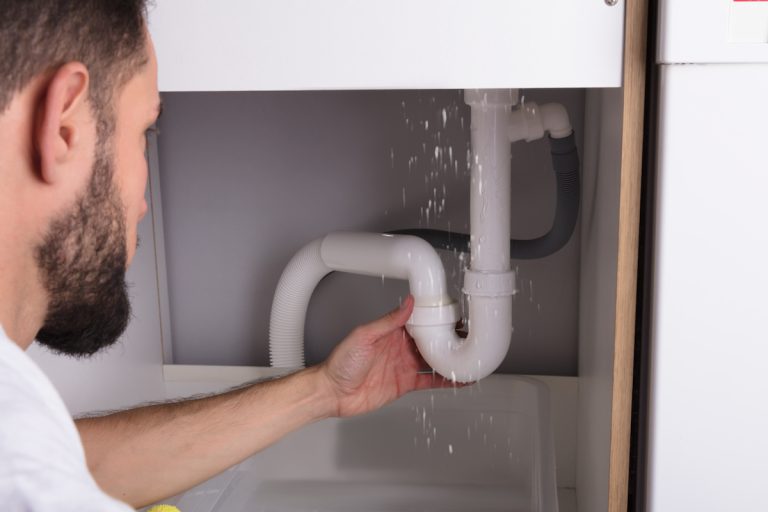
Discovering a water leak isn’t always straightforward. Here are five subtle signs that could indicate a hidden issue in your home!
Our licensed plumbers and friendly team always answer the call. To ask a question or request service, fill out our contact form or just give us a call at 407-219-9772.